12-Burner Amine Cabin Heater Burner Management Retrofit
Profire helped Ensign put independent control on all 12 burners, cutting fuel gas use by 45%. Tell us more about your project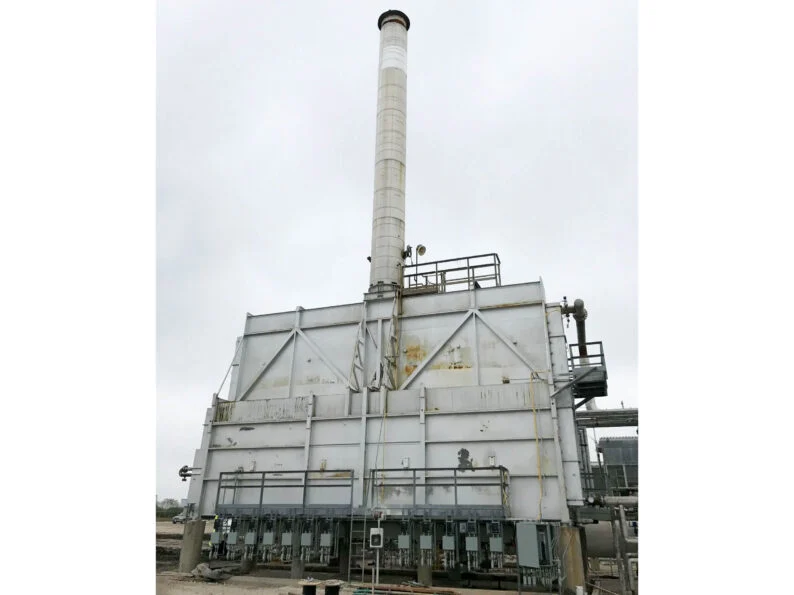
Project Highlights
- 12-burner, 30 MM BTU/hr cabin heater with 12 independent fuel trains
- 250+ safety I/O controlled and monitored from the control room
- 9 of 12 burner voting, so losing a single burner no longer trips the heater
- One callout in the first six months, unrelated to the burner management system
- Automatic ignition and relights on every burner replaced manual lighting
- 45%+ fuel gas savings reported after startup
- Amine tower outlet held within 2°F (1°C)
- ROI in less than eight months
- Redundant temperature measurement on redundant networks from the amine tower outlet
- Single-source delivery from front-end engineering through commissioning and ongoing preventative maintenance
The Problem
A 12-burner cabin heater serving the amine tower at Ensign’s Pawnee, Texas site was shutting down two to three times a day. Every shutdown put an operator underneath the heater to relight burners by hand.
One optical flame detector watching the fire box was the only safety device on the heater. When any one of the 12 burners dropped out, whether from wind, a clogged orifice, or a failed igniter coil, the detector saw the loss of flame, and the entire heater came down. One burner took the full 30 MM BTU/hr of duty with it.
Getting it back was manual work. Automated igniters were installed, but coil failures had left many of them unreliable. An operator rolled a low chair under the heater, wrapped a rag soaked in penetrating oil around a length of rod, cranked a hand valve open until he could hear gas, and lit the burner from underneath. The air registers stayed wide open because that was the only way to get the rod through, which left the heater running well off its intended air-to-fuel setup.
None of the costs showed up as a single line item. Callouts came around the clock at premium rates, and the burners ran 25 to 28 psi with no modulating control, so the heater burned more fuel gas than the duty required.
For engineering, the gap was structural. There was no proven purge or ignition sequence, no safety interlock chain, and effectively no safety I/O. Any upgrade would have to be designed against NFPA 86, API 560, and ASME piping requirements, and it had to clear one requirement from operations, which was that losing a single burner could never again bring the heater down.
Sound Familiar? Let's TalkBefore Profire


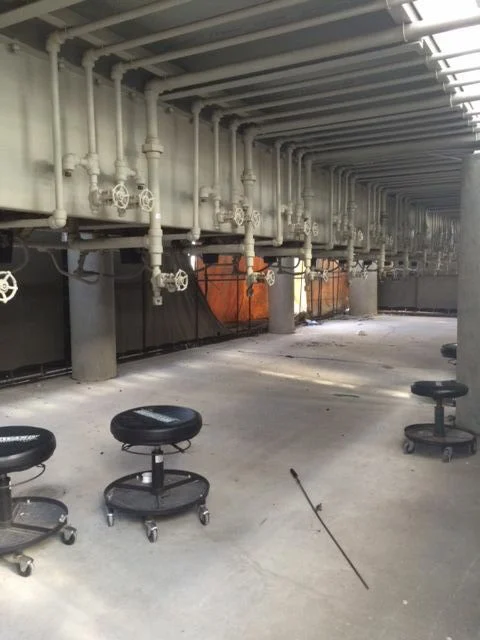
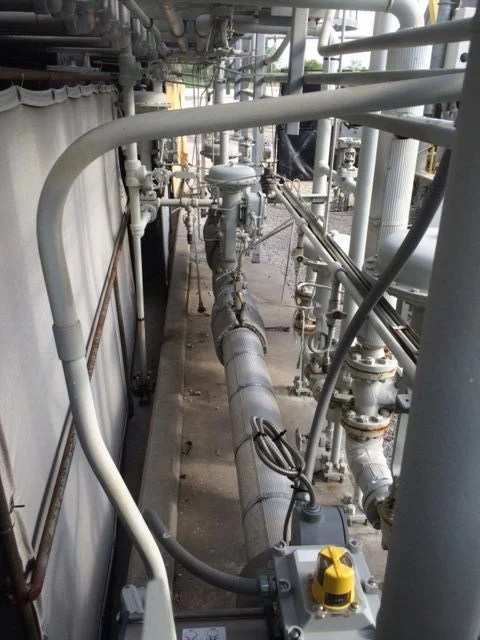

The Profire Solution
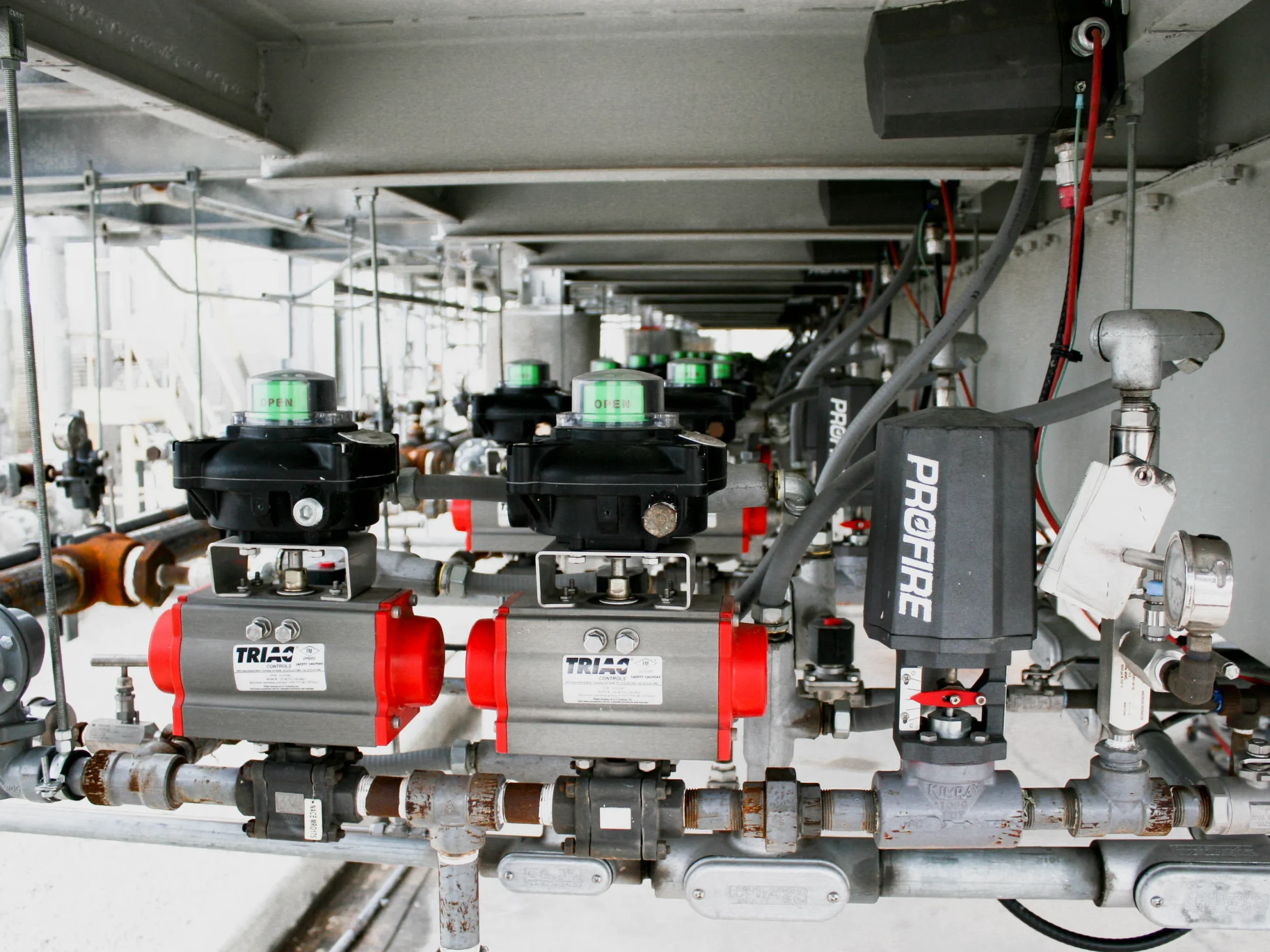
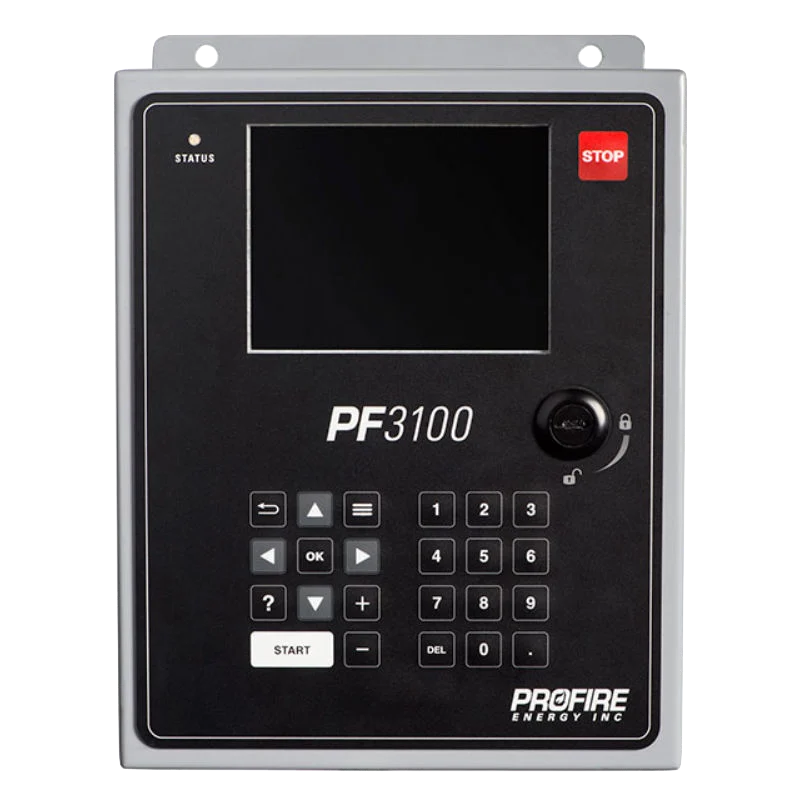
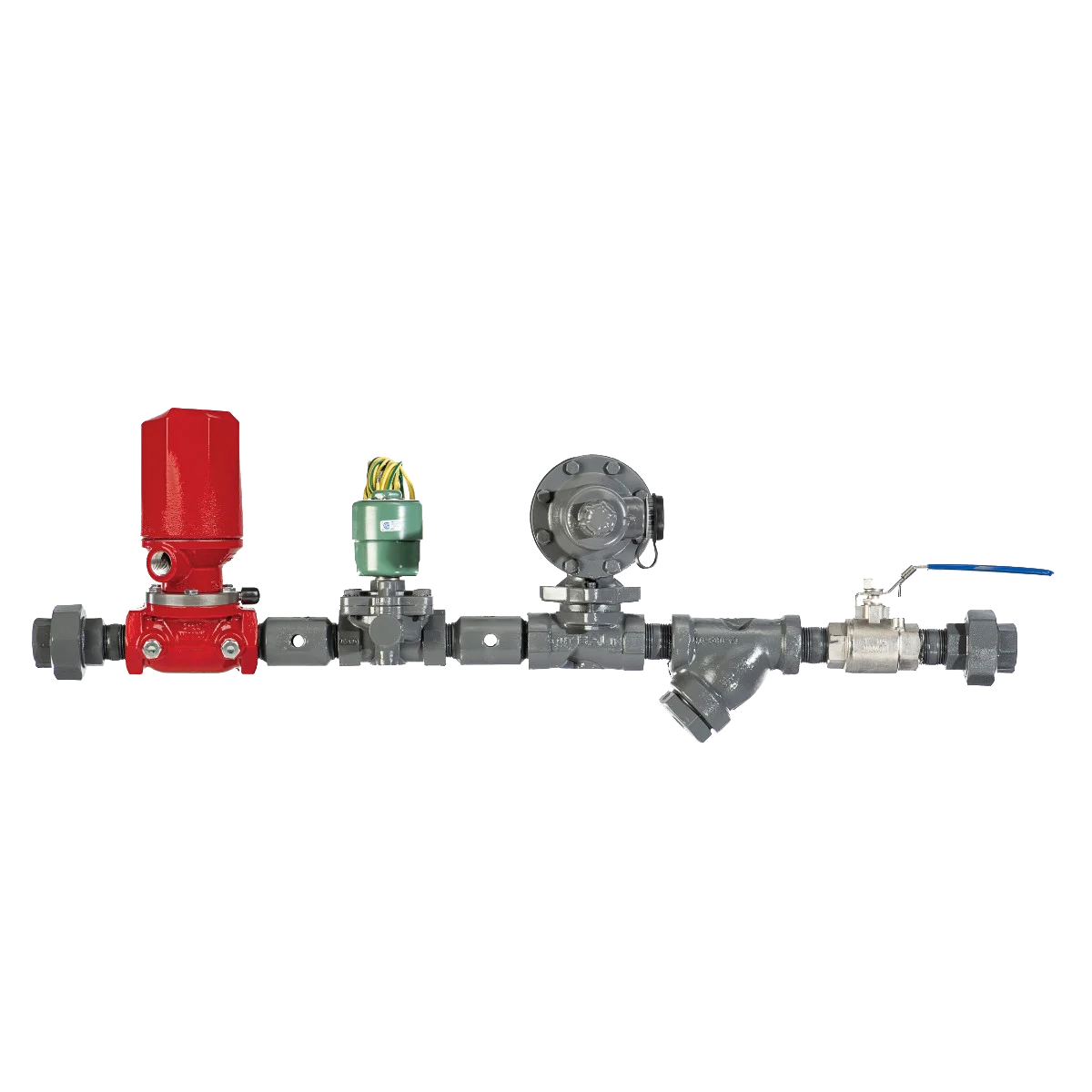
Profire built 12 independent burner management systems onto a single heater. Each burner received its own PF3100 controller, its own fuel train, and its own temperature control valve, so it could be purged, lit, proved, modulated, and shut down on its own.
Independent control is what made burner voting possible. The heater keeps running as long as 9 of the 12 burners are proved, and losing a fourth brings the system down. The tower keeps getting heat and the plant keeps running while a technician deals with the burner during normal hours.
Before anything went to the field, Profire pulled one burner out of the heater and set it up in the shop, testing pilot ignition and flame propagation into the mains, tuning the burner, and cleaning up the nozzles. That testing produced the ignition and modulation parameters behind the final design, including the 8 psi operating pressure that replaced the 25 to 28 psi the site had been running.
The temperature that mattered sat 380 feet from the heater, at the amine tower outlet. Profire installed a quad thermocouple there and split the redundant signals across redundant networks, so no single instrument or network path can take away the measurement the burners modulate against.
Ensign had one party accountable for the design intent, from the first drawing to the running heater.
Key elements included:
- 12 independent PF3100 systems: One controller, one fuel train, and one temperature control valve per burner.
- Power distribution and network panels: Two additional enclosures for power distribution, network, and I/O cards, including the signal path from the amine tower thermocouple.
- Burner voting logic: A nine of 12 vote holds the heater in service through the loss of up to three burners.
- Redundant temperature measurement: A quad thermocouple at the amine tower outlet, with redundant signals carried on redundant networks.
- Shop burner testing: Pilot ignition and flame propagation into the mains validated before field deployment.
- Plant integration: Modbus communication to the plant DCS, with 250+ safety I/O visible in the control room.
- Single-source execution: Front-end engineering, procurement, fabrication, installation, commissioning, and ongoing preventative maintenance under one scope.
- First-Out Annunciation: Immediate notification of shutdown, alarm, and start permissive conditions, with data and event logging for sharing control and safety information.
The Results
Ensign reported fuel gas savings of more than 45% after startup. Proper gas regulation and modulating control on each of the 12 burners let the heater run at 8 psi rather than 25 to 28, and ROI came in under eight months.
With independent temperature control on each burner working from redundant measurement at the outlet, the plant holds the amine tower outlet within 2°F (1°C), closer to setpoint than Ensign’s team had been able to run it before.
The manual relights stopped. Automatic ignition and relights on every burner mean the system proves and relights a burner that drops out, without an operator making the drive. In the first six months after commissioning, the site logged one callout, and it came from a plant generator failure rather than from the burner management system.
The heater now runs with per-burner flame supervision, a defined ignition and shutdown sequence, and a documented safety interlock chain. The gas savings is the number that gets quoted. For Ensign’s operations and engineering teams, the day-to-day change is that losing a burner is now a maintenance item instead of a plant event.
Get a Free QuoteAfter Profire
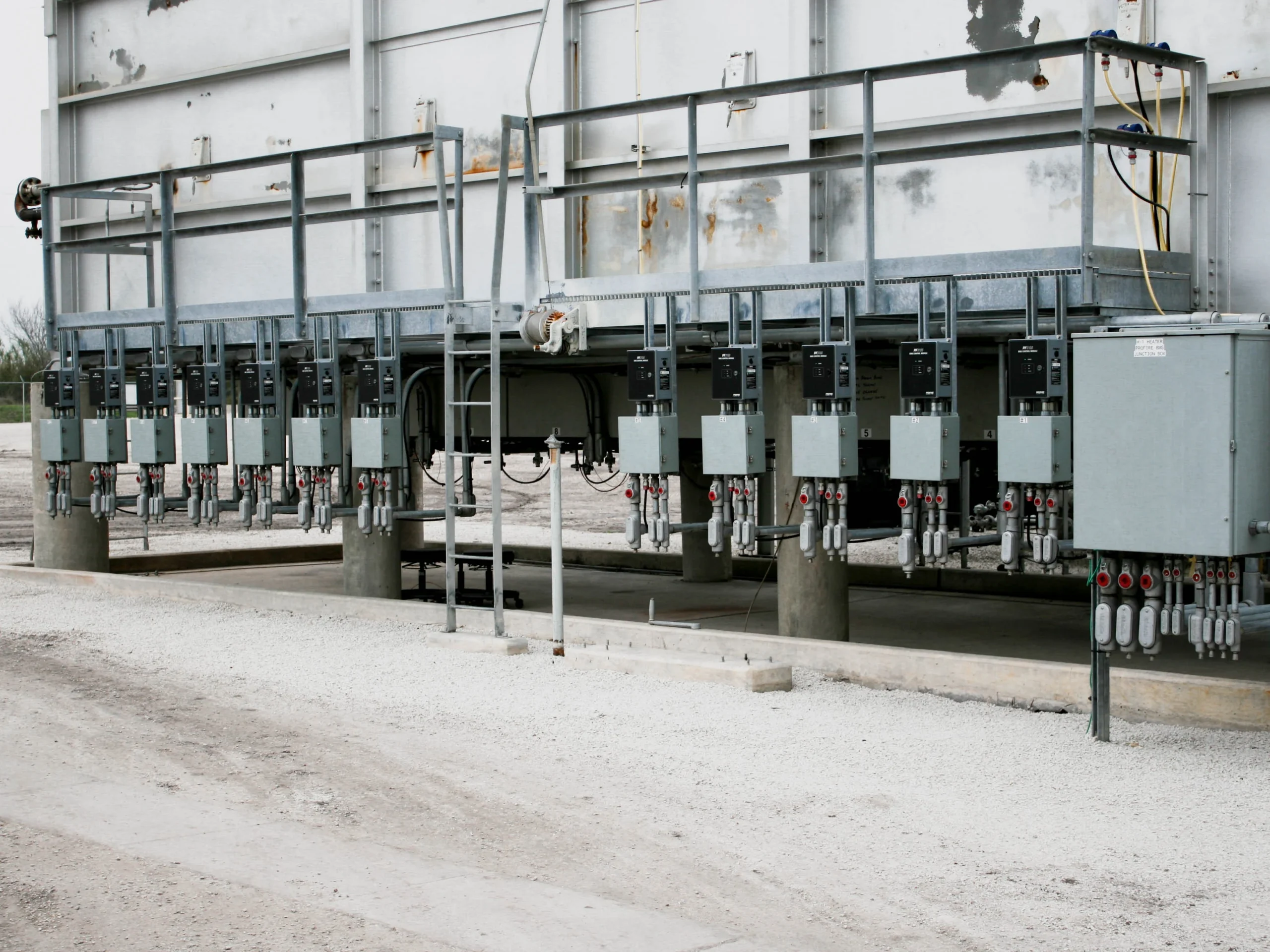



Key Products Used
Ready to Optimize your Equipment?
Let Profire help with your Safety, Reliability, and ESG Initiatives
Get a Free QuoteRecent Projects
Details
See Details
Western Midstream operates a natural gas processing plant near Denver, Colorado that had been running for…
Details
See Details
A leading Oil & Gas producer operated 148 aging dual-tube horizontal heater treaters running on pneumatic…
Details
See Details
At a natural gas utility site in Ontario, a installed Tecvalco CWT Vacuum Heater was exposed…