Vacuum Boiler – Natural Gas Line
Profire helped National Grid automate a natural gas line vacuum boiler with PF3100 control. Tell us more about your project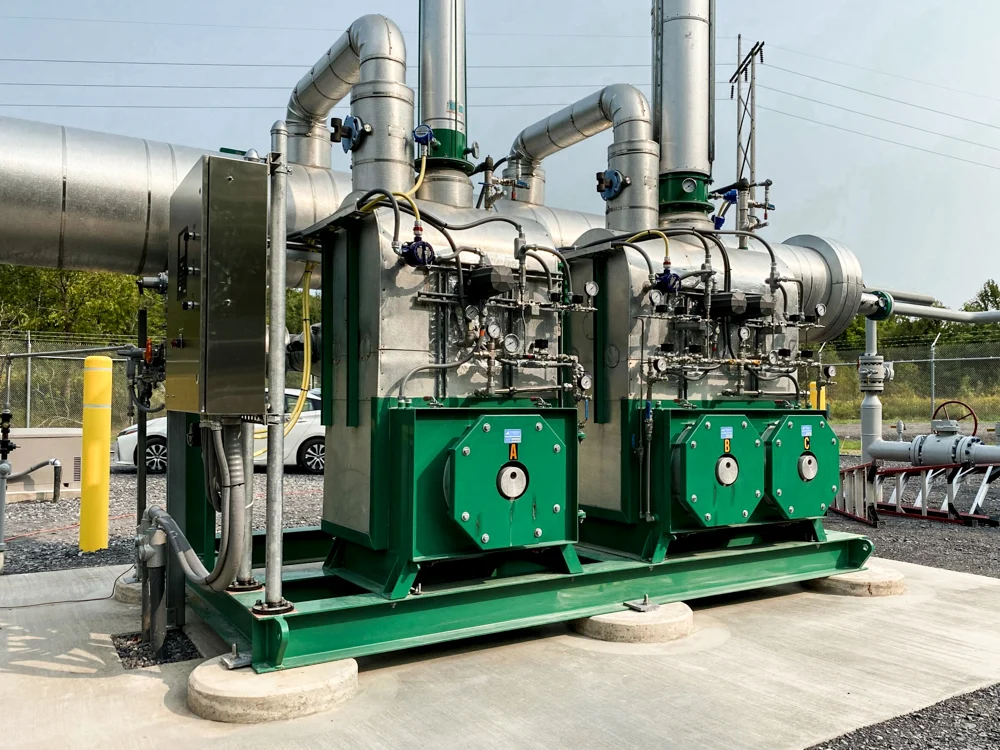
Project Highlights
- 770,000 BTU/HR vacuum boiler, two burners, two pilots
- Manual millivolt pilot light-off replaced with automatic re-light
- PF3100 BMS Controller consolidating temperature, process, and ESD functions
- Fuel train converted to transmitters and controller-driven solenoid valves
- Safety-related control design assessed for SIL capability
- Modbus to the control room for remote status and setpoint changes
- Shutdown causes readable at the controller, no voltage meter
- Routine site visits for pilot light-off eliminated
The Problem
National Grid is one of the largest investor-owned energy companies in the US, delivering natural gas and electricity to more than 20 million people across New York and Massachusetts. At one of its New York sites, a 770,000 BTU/HR vacuum boiler with two burners and two pilots serves a natural gas line.
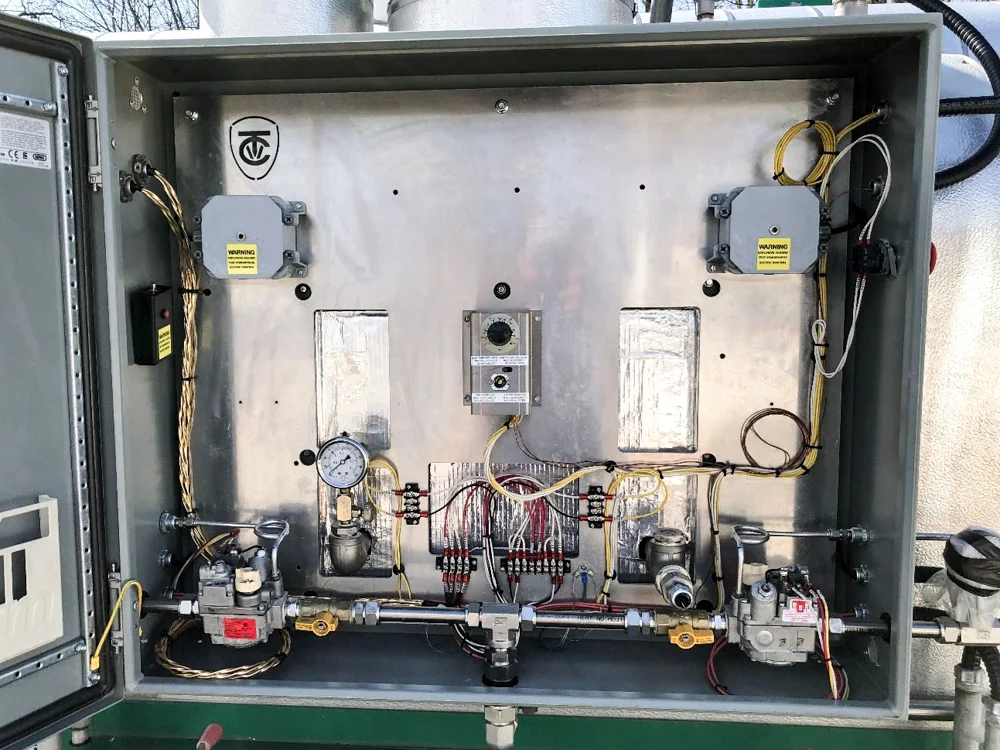
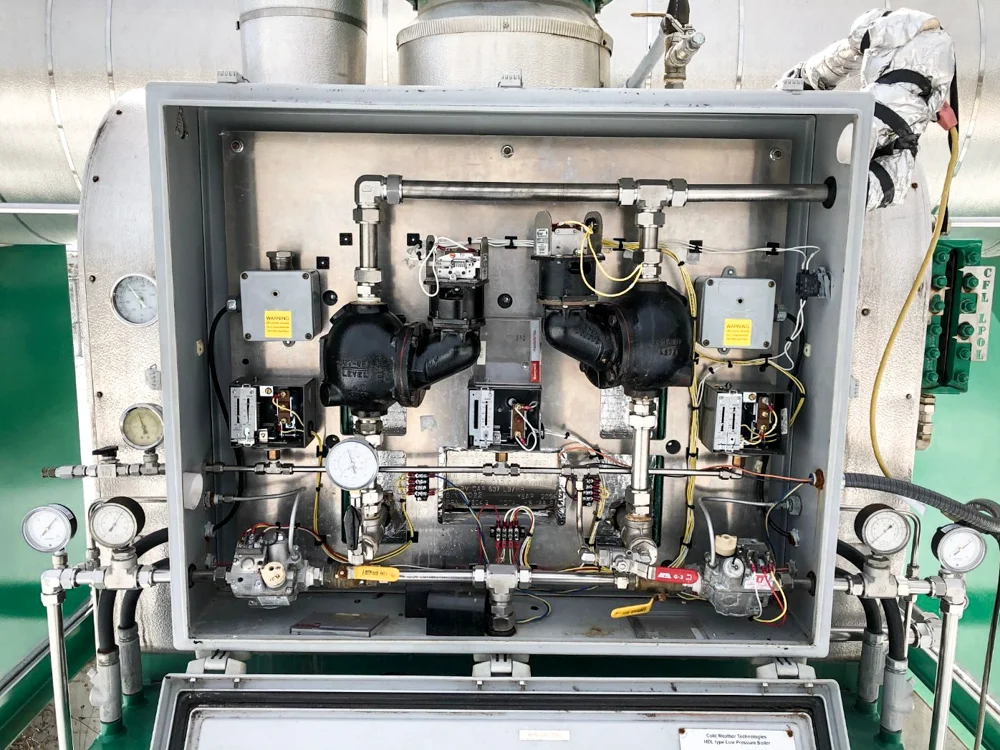
The boiler ran on a millivolt pilot system, a self-contained design that generates its own control signal from the pilot flame and uses that signal to operate the devices in the fuel train. It needed no external power, and it had kept the boiler running for years.
What it required was people. An operator lit the pilot on site with a battery-operated remote, so every light-off meant a trip to the unit. When the boiler shut down, the millivolt design gave no indication of which device in the fuel train had dropped out, and finding the cause meant working through them one at a time with a voltage meter. Visibility stopped at the fence line, because with no Modbus connection to the boiler, heater status and setpoint adjustments were available only to someone standing at the site.
The site also carried a safety requirement that a manually lit, locally controlled boiler could not satisfy. National Grid develops its heater controls through a process hazard analysis and requires a safety-related design assessed for SIL capability, drawing on IEC 61508, CSD-1, and NFPA 87. The objective is a system that either operates correctly or fails in a predictable, safe state, with the risk reduction verifiable by a third party.
Sound Familiar? Let's TalkBefore Profire
The Profire Solution
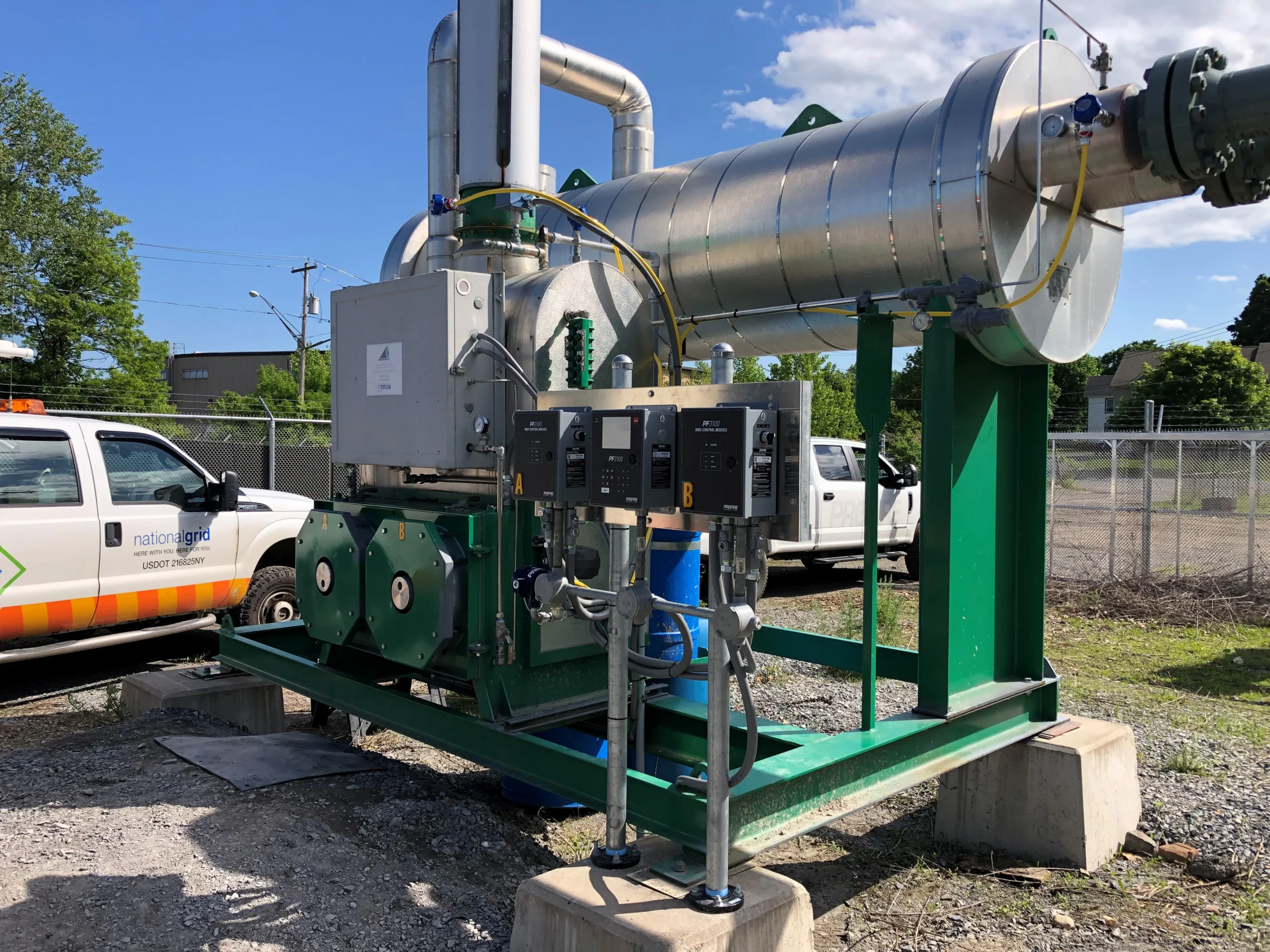
Profire delivered a PF3100 BMS Controller configured for the vacuum boiler, bringing temperature control, process control, and ESD functions onto a single platform. National Grid had already established this control configuration as a standard on its waterbath heaters and asked Profire to apply the same design to the vacuum boiler.
The pilot came first. A Profire ignition electrode gave the boiler automatic pilot re-lighting and reliable flame detection, so light-off no longer depended on an operator standing at the unit with a remote.
The rest of the fuel train moved onto instrumentation so the controller could read and drive directly. Profire replaced the temperature switches with Type K dual-head thermocouples, swapped the millivolt-operated gas valves for solenoid valves driven by the PF3100, and changed the vacuum switches to vacuum transmitters that report an actual reading rather than a state change. Enabling Modbus on the PF3100 then connects the boiler to the control room.
Key elements included:
- Single-controller architecture: Temperature, process, and ESD functions handled by one PF3100 instead of a self-powered pilot circuit
- Automatic pilot re-light: Ignition electrode with flame detection, no remote and no site visit for light-off
- Transmitter-based instrumentation: Type K dual-head thermocouples and vacuum transmitters reporting live values instead of state changes
- Controller-driven gas valves: Solenoid valves operated by the PF3100 rather than a pilot-generated millivolt signal
- Modbus to the control room: Remote status monitoring and setpoint adjustment without a site visit
The Results:
Operators stopped driving out to light the pilot. The boiler re-lights on its own, and the flame detection the controller provides means a dropped pilot registers as a known condition rather than a boiler someone finds cold. When a shutdown does happen, the cause is readable at the controller, which takes the voltage meter and the device-by-device to walk out of troubleshooting entirely.
The control room now sees live heater conditions and can adjust setpoints remotely, and the move from switches to transmitters means those conditions come from actual values rather than state changes. The configuration was built to meet the safety-related control requirement National Grid set for the site, which gives the utility one controls approach it can apply across heater types instead of a separate arrangement for each.
Get a Free QuoteAfter Profire
Key Products Used

Ready to Optimize your Equipment?
Let Profire help with your Safety, Reliability, and ESG Initiatives
Get a Free QuoteRecent Projects
Details
See Details
Despite operating significant upstream positions throughout North and South Texas, several of a Oil & Gas…
Details
See Details
Western Midstream operates a natural gas processing plant near Denver, Colorado that had been running for…

Details
See Details
A leading Oil & Gas producer operated 148 aging dual-tube horizontal heater treaters running on pneumatic…