Burner Management and Combustion Control for Chemical Processing
Chemical processing burner management controls the fired equipment behind each process step, from reaction heating and solvent recovery to drying and vapor control, often in batch or campaign production where heaters start, stop, and change setpoint many times a week. Profire, a CECO Environmental brand, matches burner management and combustion control to how often that equipment cycles and how tightly the process needs it to hold temperature.

Burner Management for Chemical Processing Fired Equipment

Fuel Trains for Chemical Processing Burner Applications

Combustion Control for Process-Sensitive Heat Loads

Subindustries We Serve
-
 Reaction Heating & Process Temperature Control
-
 Distillation, Separation & Solvent Recovery
-
 Drying & Thermal Treatment
-
 Heat Transfer & Utility Systems
-
 Emissions Control & Vapor Management
-
 Batch & Campaign Production
Why Chemical Processing Operations Choose Profire
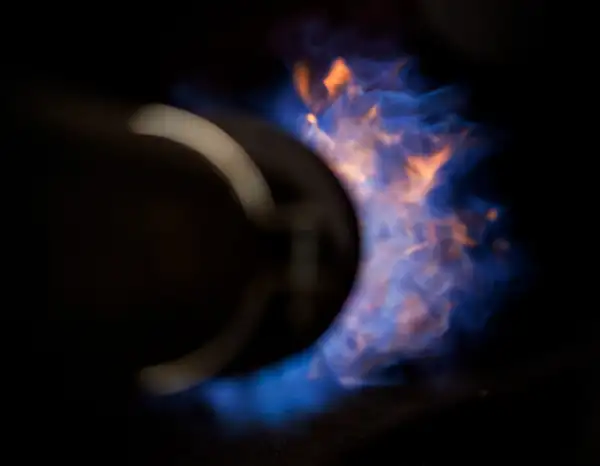
Safer Burner Operation for Sensitive Processes
Batch and campaign production means more starts and stops than a continuous plant ever sees. Each one runs through the same purge, ignition, and flame proving sequence, with permissives tied to the process conditions the recipe depends on.
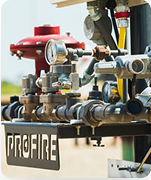
Predictable Heat Input Across Operating Modes
A low-rate campaign can leave a heater running well below its design load for weeks. Turndown and fuel/air ratio control keep the flame stable and efficient at the bottom of the firing range, not only at full fire.
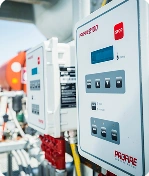
Clearer Burner Status & Trip History
A trip partway through a batch can cost the batch. Time-stamped event history and first-out alarms show what tripped and when, so the team can tie it to the step that was running and decide whether the batch can be recovered.
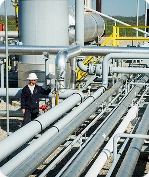
Practical Support for Site-Specific Upgrades
Many chemical processing heaters, dryers, and oxidizers arrive as OEM packages with their own panels. Profire retrofits burner controls across that mix, from single-burner equipment on PF2200 to multi-burner heaters and oxidizers on PF3100, and stays involved from application review to startup, commissioning, and operator training.
Why Chemical Processing Operations Choose Profire
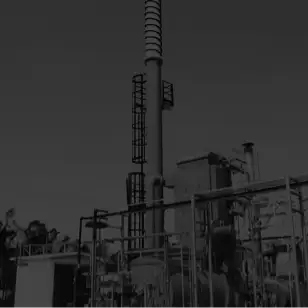
PROCESS HEATERS / DIRECT-FIRED HEATERS
THERMAL OXIDIZERS / INCINERATORS
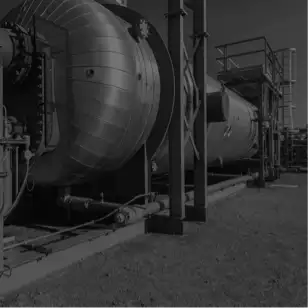
MEDIUM HEAT / HOT OIL HEATERS
REBOILERS / DISTILLATION SUPPORT HEATERS
DRYERS / OVENS / KILNS
INDUSTRIAL BOILERS / STEAM GENERATORS
FLARES / COMBUSTORS / VAPOR DESTRUCTION UNITS
REGENERATION / CATALYST / SPECIALITY PROCESS HEATERS
Chemical Processing Frequently Asked Questions
What is process heating used for in chemical processing?
Chemical processing uses controlled heat to start and hold reactions, separate and recover products and solvents, dry intermediates and finished material, and run the heat transfer and utility systems behind them. Much of it runs in batch or campaign mode, so fired equipment has to follow recipe-driven setpoint changes rather than hold one steady load.
Where are burner management systems used in chemical processing facilities?
Chemical processing facilities use burner management on the fired equipment behind each process step: process and hot oil heaters for reaction heating, reboilers for distillation and solvent recovery, dryers for thermal treatment, boilers for utilities, and thermal oxidizers, combustors, and flares for vapor control. Each needs controlled ignition, flame supervision, permissive checks, and safe shutdown.
How do thermal oxidizers handle variable solvent vapor loads from batch production?
Batch production releases solvent vapor unevenly: heavy during charging, heating, stripping, and drying, and light between batches. Because the vapor carries its own fuel value, the oxidizer burner has to turn down as concentration rises and pick back up as it falls, holding chamber temperature through both. Burner management supervises the flame through those swings and can act on a high-LEL input where vapor concentration is monitored.
How does stable firing protect solvent recovery and distillation?
Solvent recovery and distillation depend on holding a still or column at the temperature that separates the solvent cleanly. Too little heat leaves solvent in the product or residue, and too much can carry impurities over or degrade heat-sensitive material. In many plants the reboiler is heated by a hot oil loop rather than fired directly, which moves the burner management job to the hot oil heater serving it.
How does combustion control support batch and campaign production?
Each recipe can call for a different temperature profile, ramp rate, or hold point, and a campaign change can shift a heater’s load for weeks. Combustion control lets fired equipment track those setpoints closely, with fuel/air ratio held across the firing range, so a reaction or drying step stays in its window without an operator riding the firing rate by hand.
What fired equipment does Profire support in chemical processing?
Profire supports chemical processing fired equipment such as reboilers and distillation support heaters, hot oil and heat medium heaters, process and direct-fired heaters, regeneration and catalyst heaters, dryers, industrial boilers, thermal oxidizers, combustors, flares, and vapor destruction units. Scope usually depends on how often the equipment cycles, the vapor or fuel streams it handles, and whether it reports to a DCS or a local panel.
What should chemical processing facilities consider when upgrading burner controls?
Facilities should consider burner configuration, how often the equipment starts and stops, recipe-driven setpoint ranges, solvent vapor or LEL inputs, existing OEM panels and field devices, plant communications, hazardous-area requirements, and operator training. Equipment that cycles with every batch puts more weight on fast, repeatable restarts and clear trip history than equipment that runs for months between shutdowns. You can also compare controller options.
Tell us about your application
A Profire Specialist Will Contact You Shortly