Burner Management and Combustion Control for Utility Natural Gas Transmission & Distribution
Natural gas cools as it passes through pressure reduction at city gate and regulator stations, and station heaters keep it warm enough to avoid hydrate and freezing problems downstream. Utility natural gas burner management controls the ignition, flame supervision, temperature, and shutdown of those heaters. Profire, a CECO Environmental brand, supports station heating across city gate, regulator, transmission, storage, and unmanned remote sites.

Burner Management for Station Heating Equipment
Fuel Delivery for Gas Utility Heating Application
Combustion Control for Pressure Regulation Support

Utility Natural Gas Subindustries We Serve
-
 City Gate & Custody Transfer Station
-
 Pressure Regulation & Gas Preheating
-
 Transmission & Pipeline Delivery
-
 District Regulator & Distribution Support
-
 Storage, Peak Demand & Withdrawal Support
-
Remote Stations & Infrastructure Modernization
Why Natural Gas Utilities Operations Choose Profire
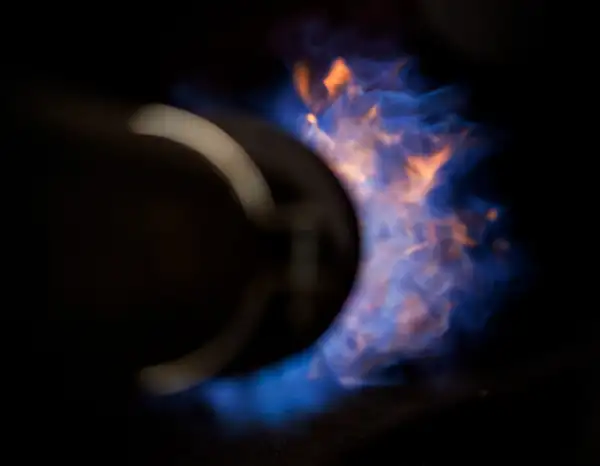
Reliable Heat When Gas Demand Rises
Station heaters face their hardest duty on the coldest days, when send-out peaks and pressure drops are largest. Profire controllers can modulate firing to match flow, holding outlet gas temperature instead of cycling on and off at a fixed rate.
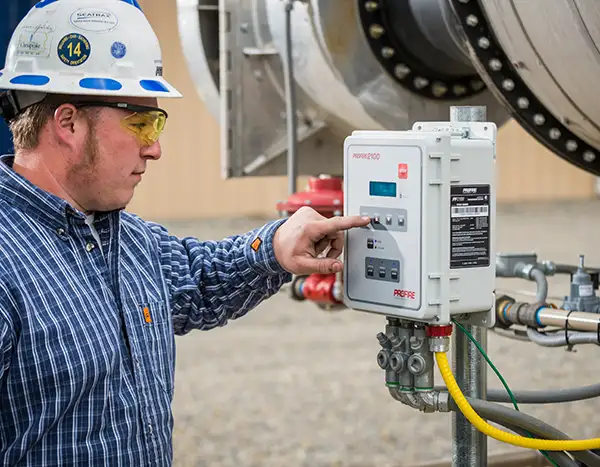
Safer Startup & Shutdown at Critical Stations
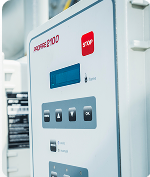
Most utility station heaters run unattended, so the BMS is the only thing watching the flame between site visits. Profire controllers prove pilot and main flame, relight automatically after a flame-out where configured, and close fuel safely if the heater cannot recover.
Clearer Heater Status Across Unmanned Stations
A heater fault at a remote regulator station may go unnoticed until gas temperature drops downstream. Burner status, alarms, and event history sent over Modbus to SCADA let gas control see the fault as it happens and dispatch with the cause already known.
Support for Retrofit & Standardization Programs
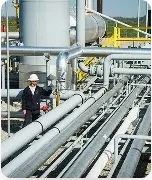
Utilities often run many similar heaters across a service territory, each with its own controls history. Profire supports retrofit programs that bring them onto common controls, including a Tecvalco CWT vacuum heater at an Ontario gas utility site upgraded to PF2200 with vacuum tracking, replacing installed controls that needed manual relights.
Gas Utility Heating Equipment Profire Supports
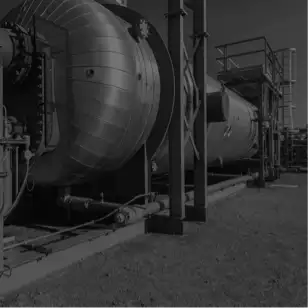
Line Heaters / Station Heaters
Gas Preheaters / Pressure Regulation Heaters
City Gate Station Heaters
District Regulator Station Heaters
Fuel Gas Heaters / Conditioning Heaters
Compressor Station Support Heaters
Storage Withdrawal / Peak Demand Heaters
Boilers / Utility Heating Packages
Utility Natural Gas Frequently Asked Questions
What heating equipment is used in natural gas transmission and distribution?
Natural gas transmission and distribution systems use line heaters, indirect water bath and vacuum station heaters, gas preheaters, fuel gas heaters, and packaged utility boilers. They warm gas ahead of pressure reduction at city gate and regulator stations, support storage withdrawal, and keep compressor station fuel gas conditioned through cold-weather operation.
Why do gas pressure regulation stations need heaters?
Gas cools as its pressure drops, roughly 7°F (about 4°C) for every 100 psi of reduction. Without preheating, a large pressure cut can chill the gas enough to form hydrates, freeze regulator pilots, or frost-heave the ground around buried piping downstream. Station heaters warm the gas before the regulator so it leaves above those limits, and reliable burner management keeps that heater lit and holding temperature.
What makes city gate station heating different?
A city gate is where transmission pressure is cut to distribution pressure and custody passes to the local utility, so it often takes the largest pressure drop in the system and the largest heat duty. Many city gates run redundant heaters so one can be serviced while the other carries the load, which makes clear status on both units, including the one in standby, part of the burner management job.
How do station heaters handle peak winter demand?
On a peak day, flow through a city gate can run several times its summer rate, so the heater has to deliver far more heat at the same time ambient temperature is lowest. Station heaters are sized for that design day, and burner management with temperature control lets the heater follow rising flow without overshooting setpoint or tripping on high temperature.
Where are burner management systems used in natural gas utility infrastructure?
At a gas utility, burner management is found on line heaters, water bath and vacuum station heaters, gas preheaters, district regulator station heaters, fuel gas heaters, and utility heating packages. Because most of these sites are unattended, the BMS also carries the job of relighting, reporting, and shutting down safely without anyone on site.
Can Profire support remote monitoring for utility gas station heaters?
Yes. Profire burner management systems can report burner status, alarms, shutdowns, and temperatures to SCADA over Modbus, depending on the controller and the station’s communications. For unmanned regulator and city gate stations, that is usually how gas control learns a heater has faulted.
What gas utility heating equipment does Profire support?
Profire supports gas utility heating equipment such as line heaters, water bath and vacuum station heaters, gas preheaters, city gate and district regulator station heaters, fuel gas and conditioning heaters, compressor station support heaters, storage withdrawal heaters, and utility boilers. Most utility projects are scoped station by station: heater type, firetube count, fuel train design, and whether the site has SCADA communications.
What should utilities consider when upgrading line heater or station heater controls?
Utilities should consider burner configuration, fuel train design, station type, heater redundancy, site communications, shutdown requirements, technician training, and spare parts. Because the same heater models often repeat across many stations, it usually pays to settle one controller configuration and roll it out station by station, so technicians see the same screens and alarms everywhere, with startup and commissioning support at each site.
Tell us about your application
A Profire Specialist Will Contact You Shortly