Burner Management and Combustion Control for Upstream Oil & Gas Process Heating
Upstream Oil & Gas burner management systems control ignition, flame supervision, permissives, and safe shutdown on fired production equipment such as line heaters, heater treaters, glycol dehydrators, combustors, and flares. Profire, a CECO Environmental brand, supplies the burner management, fuel train, and combustion control layer around that equipment, so it starts safely, holds temperature, and recovers quickly after a trip across remote field sites.

Burner Management Systems for Upstream Fired Equipment
Fuel Trains Built for Reliable Fuel Delivery

Burners and Air Control for Firetube Heater Performance

Upstream Oil & Gas Subindustries We Serve
-
 Wellsite Production & Separation
-
Natural Gas Production & Conditioning
-
 Crude Oil Treating & Stabilization
-
 Produced Water & Waste Gas Management
-
 Remote & Distributed Production Sites
-
 Enhanced Recovery & Thermal Support
Why Upstream Oil & Gas Operations Choose Profire
Safer Startup & Shutdown
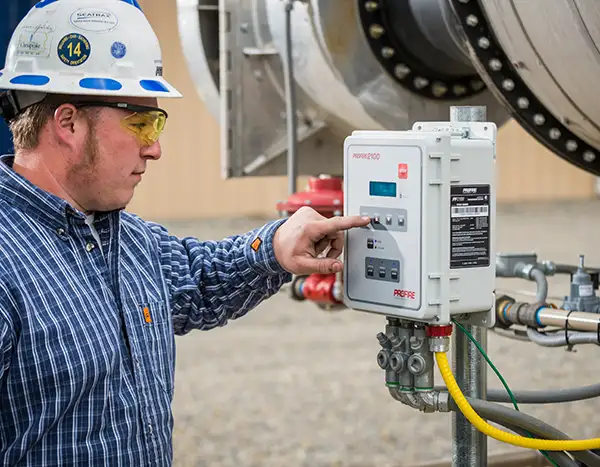
Every light-off follows the same verified sequence. Profire controllers check permissives, prove pilot and main flame, and close fuel safely when flame, pressure, temperature, or process conditions move outside range.
Improved Uptime & Faster Troubleshooting
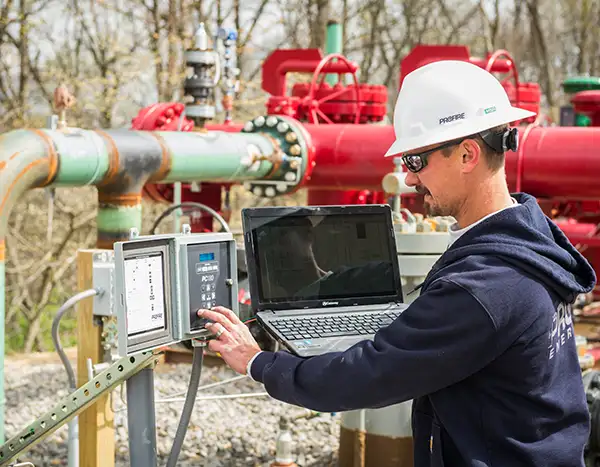
When a unit trips, the question is what changed. Time-stamped event history, first-out alarm information, and data logging give field teams that answer before a technician is dispatched, with Modbus and SCADA visibility where communications are active.
Stable Combustion & Process Control
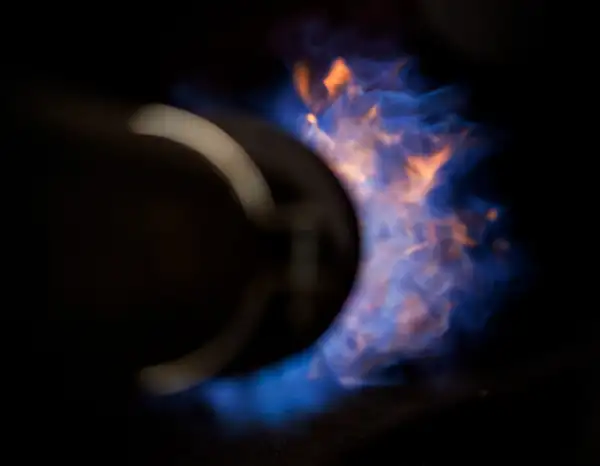
Unstable heat shows up as poor separation, hydrate risk, and off-spec product. PID temperature control, staged heating, and secondary air adjustment help firetube equipment hold setpoint and reduce flame impingement and hot spots.
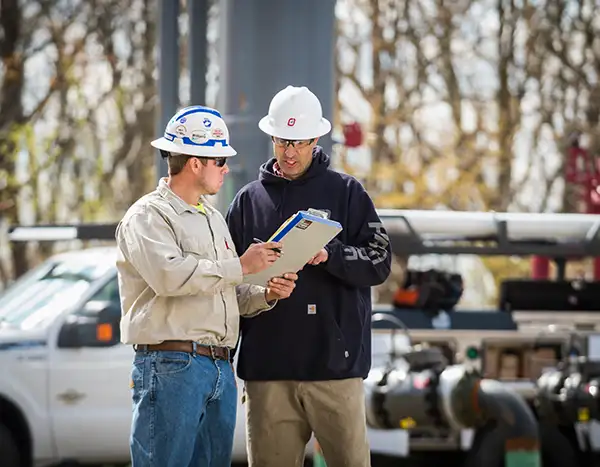
Application Fit for Field and Engineering Teams
Controller selection depends on draft type, burner count, fuel train design, and how the unit needs to report back. PF2150 covers natural draft firetube applications, PF2200 adds forced draft and deeper diagnostics, and PF3100 handles multi-burner and fuel/air ratio control.
Upstream Oil & Gas Fired Equipment Profire Supports
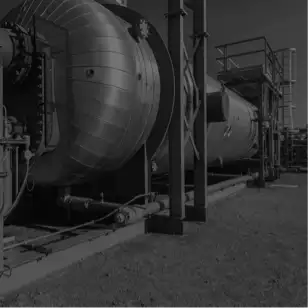
Line Heaters
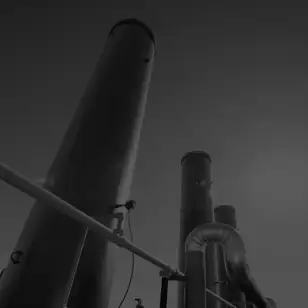
Heater
Treaters
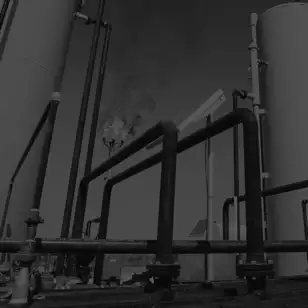
Glycol Dehydrators / TEG Reboilers
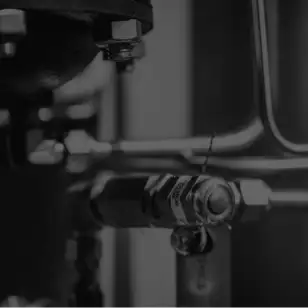
Gas Production Units
Combustors / ECDs / VDUs
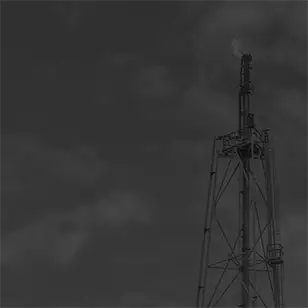
Flares & Flare Ignition Systems
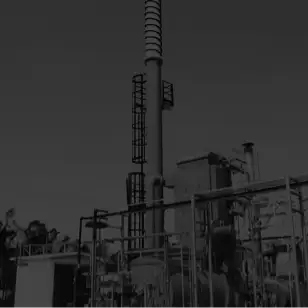
Heated Separators / Heated Tanks
Condensate Stabilizers / Stabilization Heaters
Upstream Oil & Gas Frequently Asked Questions
What is process heating used for in upstream Oil & Gas?
Process heating helps upstream operators separate produced fluids, prevent hydrates and freezing during pressure reduction, dehydrate natural gas, stabilize condensate, heat tanks, and safely destroy waste gas. That heat comes from fired equipment such as line heaters, heater treaters, glycol dehydrators, gas production units, combustors, and flares.
Where are burner management systems used in upstream production?
Burner management systems are used on upstream fired equipment that needs controlled ignition, flame supervision, temperature control, and safe shutdown. That includes line heaters, heater treaters, glycol dehydrators and TEG reboilers, gas production units, heated separators, heated tanks, combustors, ECDs and VDUs, flares, and condensate stabilizers.
Why do line heaters need reliable burner management?
Line heaters heat the well stream before pressure reduction, where the temperature drop can cause hydrate formation, freezing, and flow interruptions. A burner management system helps the heater light off safely, prove flame, hold water bath temperature, and shut fuel off if unsafe conditions are detected.
How does a BMS reduce troubleshooting time on remote wellsite equipment?
A BMS will not prevent every trip, but it shortens the time between a trip and an answer. Clearer alarm information, time-stamped event history, and shutdown diagnostics help operators identify the cause remotely, which matters most on sites that are hours from the nearest technician.
What is the difference between natural draft and forced draft on upstream equipment?
On upstream firetube equipment, natural draft is the common default. The burner pulls combustion air through the firetube and stack with no fan. Forced draft adds a blower and generally requires airflow proving, purge timing, and matched shutdown logic, which is where PF2200-FD or PF3100 come in. For a fuller comparison of the two approaches, see our guide to natural draft and forced draft burners.
Which Profire controller fits my upstream oil & gas application?
It depends on draft type and complexity. PF2150 covers natural draft, single fuel train firetube applications such as line heaters, treaters, and dehydrators. PF2200 adds forced draft support, deeper diagnostics, data logging, and advanced PID. PF3100 handles multi-burner, multi-pilot, and fuel/air ratio control on more complex upstream and facility equipment. You can compare the controllers side by side.
How do fuel trains handle wet or low-quality field gas?
A fuel train regulates fuel pressure and flow to the pilot and main burner, and provides the shutoff capability the burner management system relies on. Upstream fuel gas is often wet, sour, or inconsistent in pressure, so freeze protection on pilot lines, regulators, and orifices becomes a practical concern. Double-Block arrangements and pre-assembled designs support controlled light-off and repeatable shutdown across repeat equipment packages.
What upstream oil & gas fired equipment does Profire support?
Profire supports upstream fired equipment such as line heaters, heater treaters, glycol dehydrators and TEG reboilers, gas production units, heated separators, heated tanks, combustors, ECDs and VDUs, flares and flare ignition systems, and condensate stabilizers. The right controller depends on draft type, burner count, fuel train design, and how the unit needs to report back.
Can Profire systems integrate with SCADA?
Yes. Many Profire burner management systems support Modbus RS-485 communication with SCADA or site control systems, depending on the controller and configuration. On remote upstream sites, that visibility is often the difference between knowing why a unit tripped and sending someone out to find out.
How can better combustion control reduce fuel use on firetube heaters?
Excess air, poor flame shape, and unstable combustion waste fuel and shorten firetube life. Secondary air control lets a technician adjust the air side to the burner and load instead of running rich or lean by default. The M7 High Efficiency Airplate, part of the M7 High Efficiency Burner system, supports graduated air adjustment on firetube equipment and can boost combustion efficiency by 30%. For more on tuning combustion across applications, see improving combustion efficiency with Profire controllers.
What should operators consider when upgrading burner controls on upstream equipment?
Operators should consider the fired equipment type, burner configuration, fuel train design, draft type, fuel gas quality, shutdown requirements, communications, and spare parts support. On remote upstream sites, add one more question: when this unit trips overnight, what will the field team be able to see before they drive out? Profire helps upstream teams work through that scope with application review, startup and commissioning, and field service.
How does Directive 060 affect flare and fired equipment planning in Alberta?
Alberta’s Directive 060 governs flaring, incinerating, and venting at upstream petroleum wells and facilities, including some gas-conveying pipeline installations. Recent updates introduce requirements around flare ignition, flare maintenance programs, and reporting. Profire can support planning through ignition reliability, retrofit scoping, event history, and documentation. Compliance determinations rest with the operator and the AER.
Tell us about your application
A Profire Specialist Will Contact You Shortly