Burner Management and Combustion Control for Renewable Energy Systems
Renewable energy burner management controls the flares, combustors, oxidizers, boilers, and dryers that burn or destroy biogas, landfill gas, RNG tail gas, and biomass-derived fuels. Those fuels shift in methane content, moisture, and contaminants over days and seasons, so Profire, a CECO Environmental brand, builds ignition, flame supervision, and fuel control around that variability.

Burner Management for Renewable Fuels

Fuel Delivery for Variable Renewable Gas Quality

Combustion Control for Heat Recovery & Waste Gas

Subindustries We Serve
-
 Biogas & Anaerobic Digestion
-
 Renewable Natural Gas (RNG) & Fuel Upgrading
-
 Landfill Gas & Waste-to-Energy
-
 Biofuels & Biorefineries
-
Biomass, Pyrolysis & Biochar Production
-
 Renewable-Fuel CHP & Industrial Heat
Why Renewable Energy Operations Choose Profire
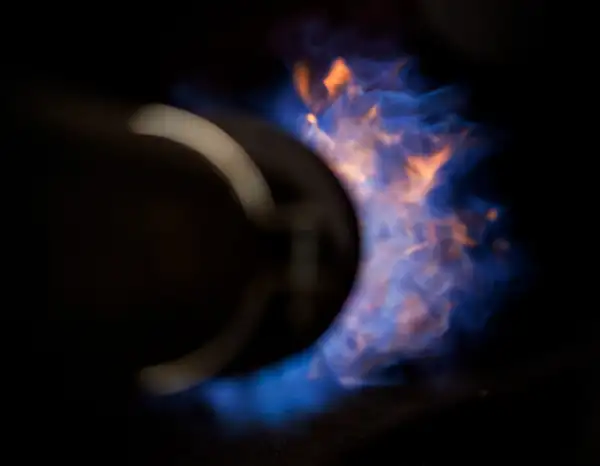
Safer Combustion for Variable Fuels
A drop in methane content can starve a pilot or destabilize a main flame with little warning. Profire controllers supervise the flame continuously, attempt automatic relight where the application allows it, and shut fuel off safely when a flame cannot be held.
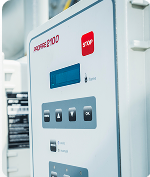
Visibility for Methane, Vapor & Waste Gas Systems
Flare compliance usually depends on proving the pilot stayed lit. Pilot and flame status, ignition attempts, and shutdown events are logged and can be sent over Modbus to SCADA, so the site has a running record of flare uptime alongside a live view.
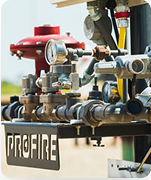
Stable Operation Across Heat & Energy Use
Biogas boilers and dryers often switch to or blend in natural gas when digester output falls. Fuel control and temperature control help the burner hold output through those transitions, so the heat users downstream never see the fuel change.
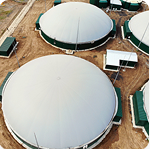
Support from Pilot to Commercial Scale
Renewable projects range from first-of-a-kind demonstration units to expansions at established RNG and landfill sites. Recent work includes a candlestick flare control package on PF3100 for a biogas facility and a control system for dual candlestick flares rated for 12,000 SCFM supporting an RNG facility expansion.
Renewable Energy Fired Equipment Profire Supports
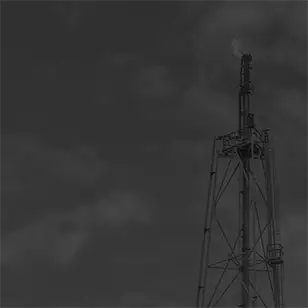
Combustors & Flares
Thermal Oxidizers / RTOs
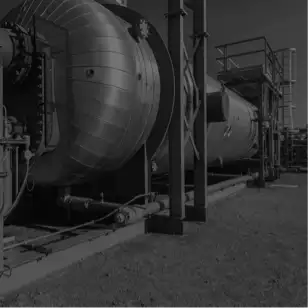
Biogas Boilers / Renewable Fuel Boilers
Gas Treatment / Fuel Conditioning Heaters

Dryers / Kilns / Biomass Thermal Equipment

Biofuel Refinery Fired Equipment
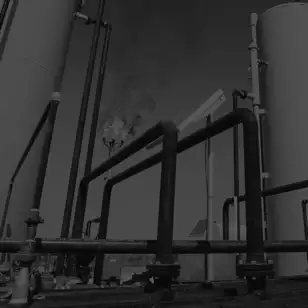
Pyrolysis / Biochar Thermal Systems
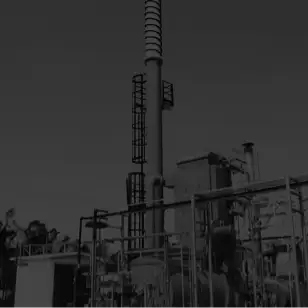
CHP / Heat Recovery Support Systems
Renewable Energy Frequently Asked Questions
What process heating is used in renewable energy facilities?
Renewable energy facilities use fired equipment to turn biogas, landfill gas, and biomass into usable heat, and to destroy the gas they cannot use. That includes digester heating boilers, biomass and digestate dryers, pyrolysis reactors, tail gas oxidizers on RNG upgrading systems, and the flares and combustors that handle excess or off-spec gas.
Where are burner management systems used in renewable energy applications?
On a renewable energy site, burner management covers both the equipment that uses the gas and the equipment that destroys it: biogas boilers, renewable fuel heaters, dryers, and kilns on one side, and landfill gas flares, enclosed combustors, and RNG tail gas oxidizers on the other. Every one of them depends on reliable ignition and a shutdown that fails safe.
Why do biogas and landfill gas systems need reliable combustion control?
Biogas and landfill gas can vary in methane content, moisture, pressure, contaminants, sulfur compounds, siloxanes, and heating value. Reliable combustion control helps operators manage ignition, flame stability, shutdown response, and burner visibility when using these gases for heat, CHP, or process support, or when destroying them through flares, combustors, or oxidizers.
How does variable methane content affect burner setup?
Methane content sets the fuel’s heating value, so a burner orificed for 55 percent methane biogas delivers less heat, and a less stable flame, when the gas drops toward 40 percent. Setup has to account for the low end of the range: orifice sizing, air setting, pilot design, and flame detection all need margin. Where methane swings widely, fuel/air ratio control or a natural gas blend keeps firing stable.
How does combustion control support RNG production?
RNG projects may use fired equipment around gas cleanup, dehydration, sulfur or siloxane removal, CO₂ removal, fuel conditioning, tail gas oxidation, flare backup, and process heat. Combustion control helps operators manage ignition, burner performance, temperature control, emissions-control equipment, shutdown response, and visibility across RNG support systems. For an example, see the dual candlestick flare control package built for an RNG facility expansion.
Can Profire support biochar, biomass, or pyrolysis applications?
Yes. Profire can support combustion-related equipment around biochar, biomass, and pyrolysis applications where burner management, fuel delivery, thermal oxidizers, off-gas combustion, dryers, or supporting control systems are part of the project scope.
What renewable energy fired equipment does Profire support?
Profire supports renewable energy fired equipment such as landfill gas and biogas flares, enclosed combustors, thermal oxidizers and RTOs, biogas and renewable fuel boilers, gas treatment and fuel conditioning heaters, biomass dryers and kilns, biofuel refinery heaters, and pyrolysis and biochar thermal systems. Fuel quality usually drives the scope more than equipment type: methane content, moisture, siloxanes, and whether a natural gas backup is needed.
What should renewable energy projects consider when upgrading burner controls?
Projects should consider fuel variability, gas treatment upstream of the burner, burner configuration, backup fuel, flare compliance requirements, communications, documentation, and long-term support. On landfill and digester sites, review the full range of gas quality the site has actually seen, not only the design case, since the burner has to light and stay lit at the low end.
Tell us about your application
A Profire Specialist Will Contact You Shortly