Burner Management and Combustion Control for Petrochemical & Chemical Plants
Petrochemical and chemical plants depend on fired equipment to support reaction temperature, distillation, drying, heat transfer fluid circulation, utilities, vapor control, and emissions destruction. Profire helps teams manage the burner management, combustion control, fuel delivery, and visibility layer around process-critical fired equipment, from process heaters and reboilers to thermal oxidizers, hot oil systems, boilers, dryers, combustors, and flares.

Burner Management Systems for Chemical Plant Fired Equipment

Fuel Trains for Reliable Burner Operation

Combustion Control for Stable Process Heat

Subindustries We Serve
-
 PETROCHEMICAL & OLEFINS PRODUCTION
-
 PLASTICS & POLYMERS MANUFACTURING
-
SPECIALITY & COMMODITY CHEMICALS
-
 CARBON BLACK PRODUCTION
-
 HEAT TRANSFER & UTILITY SYSTEMS
-
 EMISSIONS CONTROL & WASTE GAS MANAGEMENT
Why Refining Operations Choose Profire
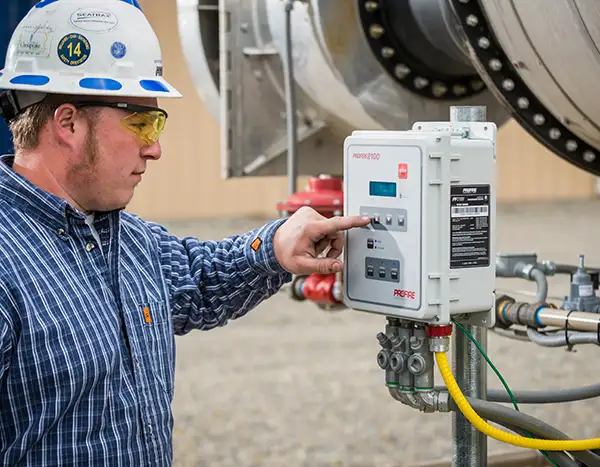
Safer Startup & Shutdown for Chemical Plant Fired Equipment
Chemical plant fired equipment needs repeatable purge sequencing, ignition, flame supervision, permissive checks, and safe shutdown logic across process heaters, thermal oxidizers, reboilers, boilers, dryers, and utility systems. Profire helps teams manage burner operation more consistently across natural draft, forced draft, single-burner, dual-burner, and multi-burner applications.
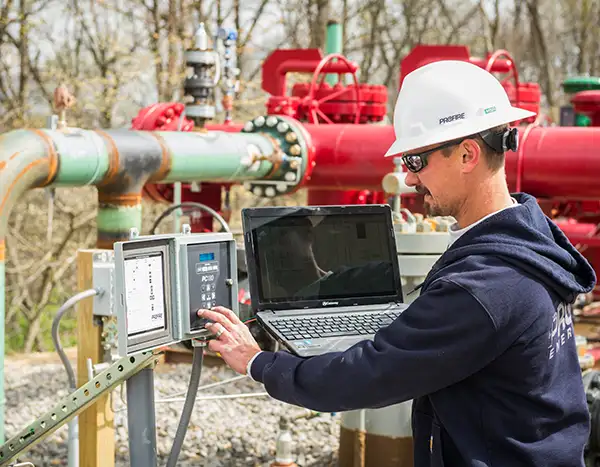
Control Room Visibility & Faster Troubleshooting
Operators need clear information when a burner trips, a thermal oxidizer shuts down, or a process heater condition changes. Profire supports alarm visibility, first-out indication, event history, diagnostics, data logging, and DCS/SCADA communications integration so teams can monitor fired equipment from the unit, utility area, or control room and identify trip causes faster.
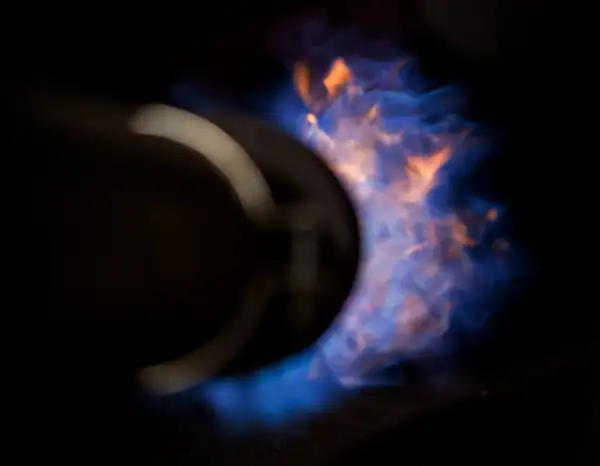
Stable Heat for Process-Critical Applications
Chemical plants may support multiple products, operating modes, fuel sources, and process conditions. Profire helps manage fuel delivery, air control, temperature control, flame reliability, and combustion performance so fired systems can support more consistent reaction heating, separation, drying, heat transfer, vapor control, and emissions-control applications.
Support for New Builds, Retrofits & Modernization
Petrochemical and chemical projects often involve OEM packages, existing field devices, plant communication standards, hazardous-area requirements, documentation needs, commissioning constraints, process-safety expectations, and long-term support requirements. Profire supports application review, engineered burner management and combustion controls, startup support, training, troubleshooting, documentation support, and long-term serviceability within the project’s fired equipment scope and site requirements.
CHEMICAL PLANT FIRED EQUIPMENT PROFIRE SUPPORTS
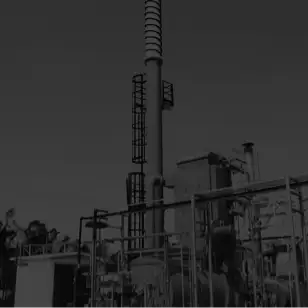
PROCESS HEATERS / DIRECT-FIRED HEATERS
THERMAL OXIDIZERS / INCINERATORS
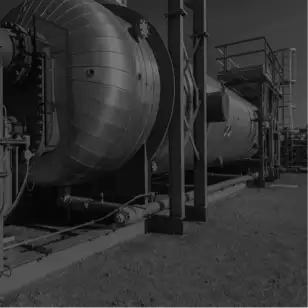
HEAT MEDIUM / HOT OIL HEATERS
REBOILERS DISTILLATION / SUPPORT HEATERS
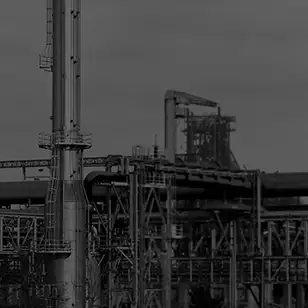
CRACKING FURNACES / PYROLYSIS FURNACES
CARBON BLACK REACTORS / TAIL GAS SYSTEMS
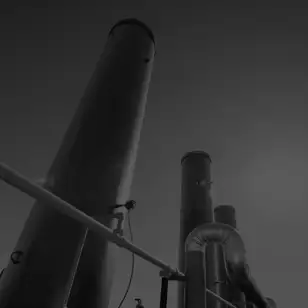
INDUSTRIAL BOILERS / STEAM GENERATORS
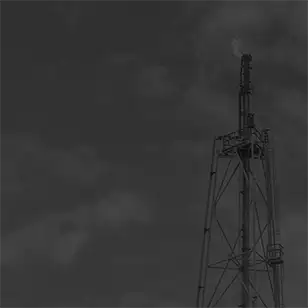
FLARES / COMBUSTORS / VAPOR DISTRUCTION UNITS
PETROCHEMICAL & CHEMICAL PLANT FREQUENTLY ASKED QUESTIONS
What is process heating used for in petrochemical and chemical plants?
Process heating helps petrochemical and chemical plants heat, react, separate, vaporize, dry, condition, and treat process materials. Fired equipment may support reaction temperature, distillation, drying, heat transfer fluid circulation, utility service, vapor control, and emissions-control applications.
Where are burner management systems used in refineries?
Burner management systems are used on refinery fired equipment that needs controlled ignition, purge sequencing, permissive checks, flame supervision, and safe shutdown. In refineries, this can include process heaters, crude charge heaters, vacuum heaters, hydrotreater and hydrocracker charge heaters, reboilers, thermal oxidizers, combustors, incinerators, and flares.
Where are burner management systems used in chemical plants?
Burner management systems are used on chemical plant fired equipment that needs controlled ignition, purge sequencing, flame supervision, permissive checks, diagnostics, and safe shutdown. This can include process heaters, thermal oxidizers, reboilers, hot oil heaters, heat medium systems, boilers, dryers, ovens, kilns, combustors, flares, and vapor destruction units.
Why do thermal oxidizers need reliable burner management?
Thermal oxidizers need reliable burner management because they use controlled combustion to manage vapors, VOC streams, waste gases, and emissions-control applications. A BMS helps the oxidizer start safely, prove flame, monitor operating conditions, support alarm and event visibility, and shut down when unsafe conditions are detected.
How does combustion control support chemical processing?
Combustion control helps chemical plants maintain stable heat input, consistent burner performance, air/fuel balance, temperature control, and better visibility into fired equipment operation. This supports process heating, reaction control, distillation, drying, heat transfer, utility systems, vapor control, and emissions-control applications.
What fired equipment does Profire support in petrochemical and chemical plants?
Profire supports fired equipment such as process heaters, direct-fired heaters, hot oil heaters, heat medium heaters, reboilers, thermal oxidizers, incinerators, boilers, dryers, ovens, kilns, combustors, flares, and vapor destruction units. The right solution depends on the application, burner configuration, fuel train, draft type, flame detection needs, communication requirements, hazardous-area requirements, site standards, and project scope.
Can Profire support complex chemical plant burner applications?
Yes. Profire supports natural draft, forced draft, single-burner, dual-burner, and multi-burner fired equipment applications where the application fit is appropriate. These systems may require advanced burner management, flame detection, fuel delivery, air control, fuel-air ratio control, DCS/SCADA communications, documentation, commissioning support, and review against site-specific requirements.
What should chemical plants consider before upgrading burner controls?
Chemical plants should consider burner configuration, existing field devices, DCS/SCADA communication needs, shutdown requirements, flame detection, fuel train scope, hazardous-area requirements, documentation, operator training, commissioning constraints, process-safety expectations, and long-term supportability. Profire helps teams evaluate the burner management and combustion control scope so upgrades can support safer startup, clearer visibility, stable fired-equipment operation, and easier serviceability.
Tell us about your application
A Profire Specialist Will Contact You Shortly