Burner Management and Combustion Control for Power Generation Fired Systems
At a power plant, the turbine or engine makes the electricity, but fired support equipment often decides whether it can run: auxiliary boilers for startup steam, duct burners that add HRSG output, fuel gas heaters that keep turbine fuel above its dew point, and oxidizers on emissions systems. Power generation burner management controls ignition, flame supervision, and shutdown on that equipment. Profire, a CECO Environmental brand, supports burner and combustion management from single auxiliary boilers to multi-burner systems.

Burner Management for Power-Supporting Fired Equipment
Fuel Delivery for Power Generation Fired Systems
Combustion Control for Steam, Heat Recovery & Backup Readiness

Power Generation Subindustries We Serve
-
 Gas-Fired & Combined-Cycle Generation
-
 Boiler & Steam Generation Systems
-
 Combined Heat & Power / Cogeneration
-
 Peaking, Backup & Distributed Power
-
 Biomass, Biogas & Alternative Fuel Power
-
 Emissions & Fuel-Handling Vapor Control
Why Power Generation Operations Choose Profire
Reliable Combustion for Power Availability
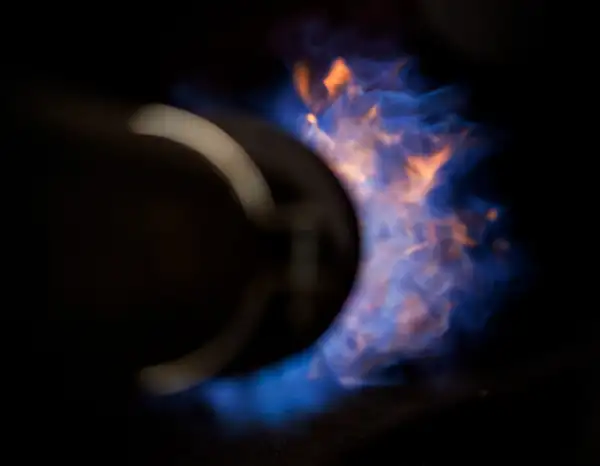
An auxiliary boiler that fails to light can delay a unit startup, and a duct burner trip cuts HRSG output in the middle of a dispatch. Profire burner management focuses on the two things that matter most here: repeatable light-offs and trip causes that are clear the first time someone looks.
Safer Starts for Boilers, Duct Burners, and Heaters
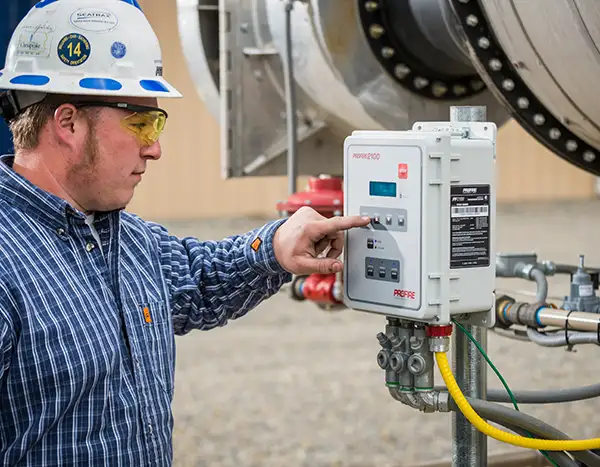
Boilers and duct burners need purge proven, airflow or turbine exhaust flow confirmed, and pilot flame established before main fuel opens. Startup boilers and emergency heaters can also sit idle for long stretches, so the sequence has to work reliably on the day it is finally needed.
Visibility for Plant Operators & Maintenance Teams
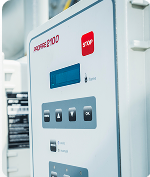
Plant control rooms already watch the turbine closely. Bringing auxiliary boilers, duct burners, and fuel gas heaters into the same view over Modbus means a trip on support equipment shows up next to the generation data it affects.
Support for New Builds, Retrofits & Plant Upgrades
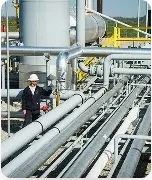
Power plant work is scheduled around outages, and burner control changes compete with everything else on the outage list. PF2200-FD and PF3100 cover forced draft boilers through multi-burner systems, and Profire supports installation, commissioning, and operator training around the outage window.
Power Generation Fired Equipment Profire Supports
Boilers / Steam Generators
Duct Burners / HRSG Support Systems
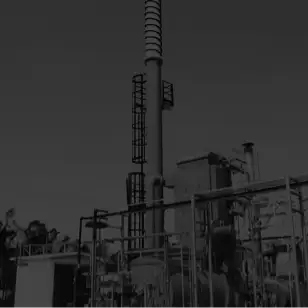
Fuel Gas Heaters / Conditioning Heaters
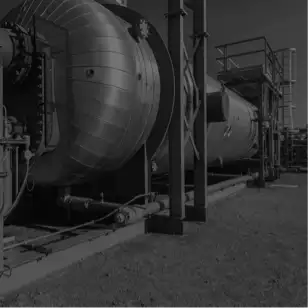
Auxiliary Heaters / Startup Heaters
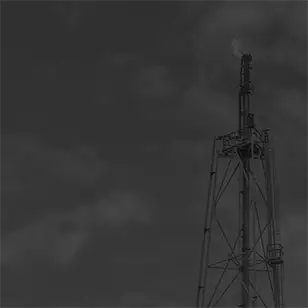
Combustors & Flares
Thermal Oxidizers / Emissions-Control Equipment
CHP / Heat Recovery Support Equipment
Backup Generator Fuel & Combustion Support Systems
Power Generation Frequently Asked Questions
What fired equipment is used in Power Generation?
Power generation facilities may use boilers, steam generators, duct burners, auxiliary heaters, fuel gas heaters, combustors, flares, and thermal oxidizers. These fired systems can support steam production, HRSG support, heat recovery, backup readiness, fuel conditioning, plant utilities, and emissions-control applications.
Where are burner management systems used in power plants?
In a power plant, burner management usually sits on support equipment rather than the generator itself: auxiliary and startup boilers, steam generators, HRSG duct burners, fuel gas and conditioning heaters, thermal oxidizers, combustors, and flares. Each needs proven purge, ignition, flame supervision, and safe shutdown, and many need to report into the plant DCS.
Why do boilers and steam generators need reliable burner management?
Boilers are among the largest fired assets on most power plant sites, and they supply startup steam, plant utilities, or process steam the plant cannot run without. A BMS proves purge and flame, enforces low-water and steam pressure interlocks, and shuts fuel off on any unsafe condition. Boilers rated at 12.5 million Btu/hr (3.7 MW) or more generally fall under NFPA 85, outlined in Profire’s guide to BMS standards.
Why do duct burners depend on turbine exhaust flow?
A duct burner fires into the gas turbine’s exhaust and uses the oxygen left in it as combustion air, so it can only run safely while the turbine is running and exhaust flow is proven. Its burner management ties light-off and continued firing to turbine status and exhaust conditions, trips the duct burner when the turbine trips, and supervises flame across burner elements spread over the duct. HRSG duct burner systems also fall within NFPA 85’s scope.
How does combustion control support CHP systems?
CHP systems produce power while recovering useful heat for process, facility, institutional, or district energy needs. Combustion control helps manage burner performance, fuel delivery, temperature control, shutdown response, and visibility on supporting boilers, heat recovery equipment, and other fired systems. Profire supports the fired-equipment scope around CHP applications, not the turbine, generator, or electrical dispatch system.
Can Profire support backup, peaking, or distributed power applications?
Yes. Profire can support fired equipment tied to backup, peaking, and distributed power applications where the application fit is appropriate. This may include fuel conditioning heaters, auxiliary heating systems, boilers, oxidizers, combustors, flares, fuel trains, and burner controls tied to power availability, startup readiness, or emissions-control support.
What Power Generation fired equipment does Profire support?
Profire supports power generation fired equipment such as auxiliary and startup boilers, steam generators, HRSG duct burners, fuel gas and conditioning heaters, CHP heat recovery equipment, thermal oxidizers, combustors, and flares. The deciding factors are usually firing rate, whether the unit runs continuously or sits in standby, and how it ties into the plant DCS.
What should power plants consider when upgrading fired equipment controls?
Power plants should consider burner configuration, fuel source and any backup fuel, existing field devices, plant DCS communications, shutdown requirements, outage timing, documentation, operator training, and spare parts. For standby equipment such as startup boilers and emergency heaters, also plan how the system will be tested between uses, since it may only run a few times a year.
Tell us about your application
A Profire Specialist Will Contact You Shortly