Safe & Reliable
Biochar Production
From drying and pyrolysis to off-gas combustion and emissions-control equipment, biochar production depends on reliable fired-equipment performance. Profire helps you assess your application and identify burner management and combustion control solutions built for safer startups, steadier operation, and dependable long-term support.
Why Combustion Control Matters in Biochar Production
Biochar production relies on controlled thermal processing, and the fired equipment behind that process needs to start safely, run steadily, and shut down predictably. Strong combustion control helps stabilize dryers, pyrolysis support systems, thermal oxidizers, and off-gas combustion equipment while reducing process interruptions and supporting safer, more reliable day-to-day operation.

Stabilize drying and process heat.

Manage auxiliary fuel and off-gas combustion.
Protect thermal oxidizer performance.

Reduce nuisance trips and restart delays.

Give operators clearer burner system insight.
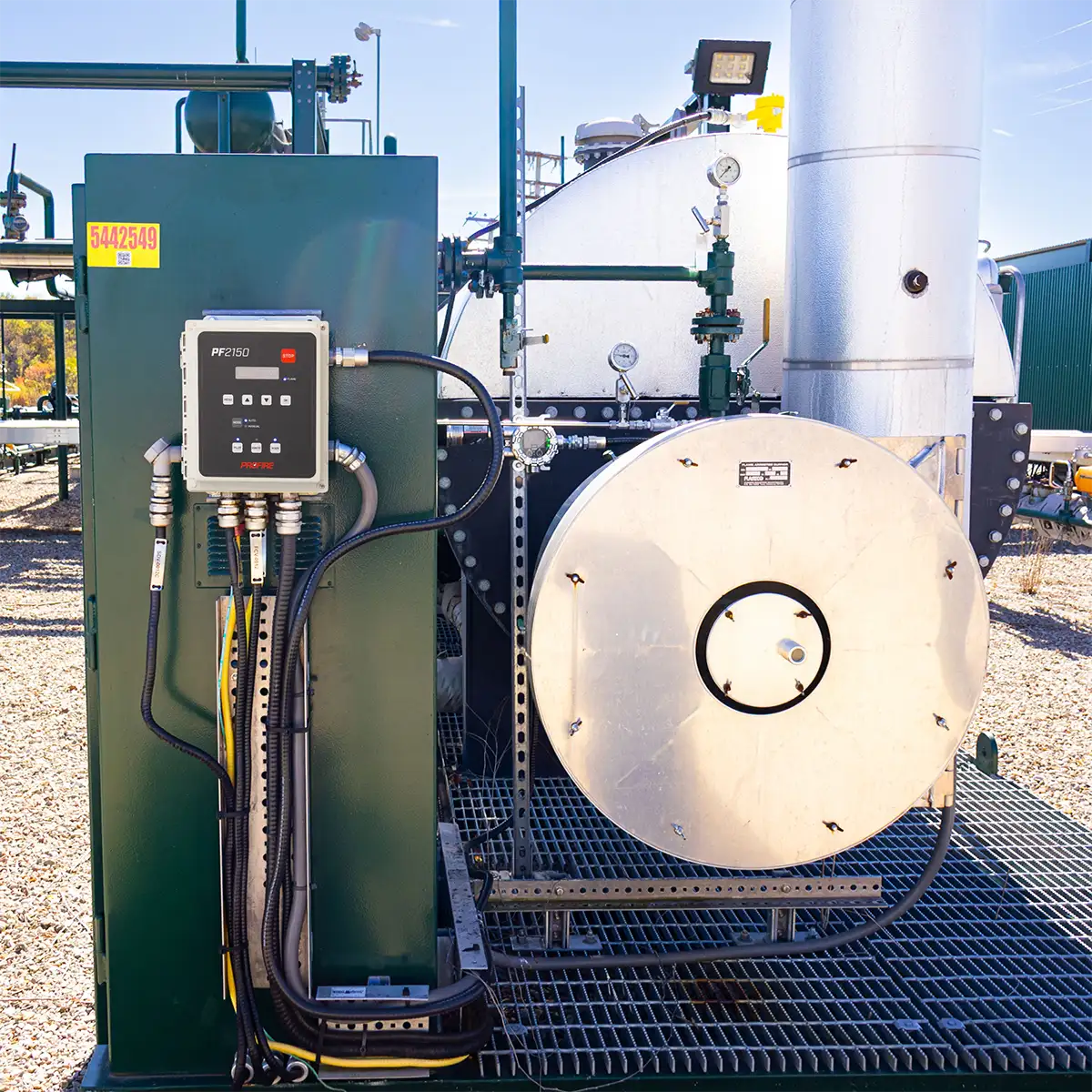
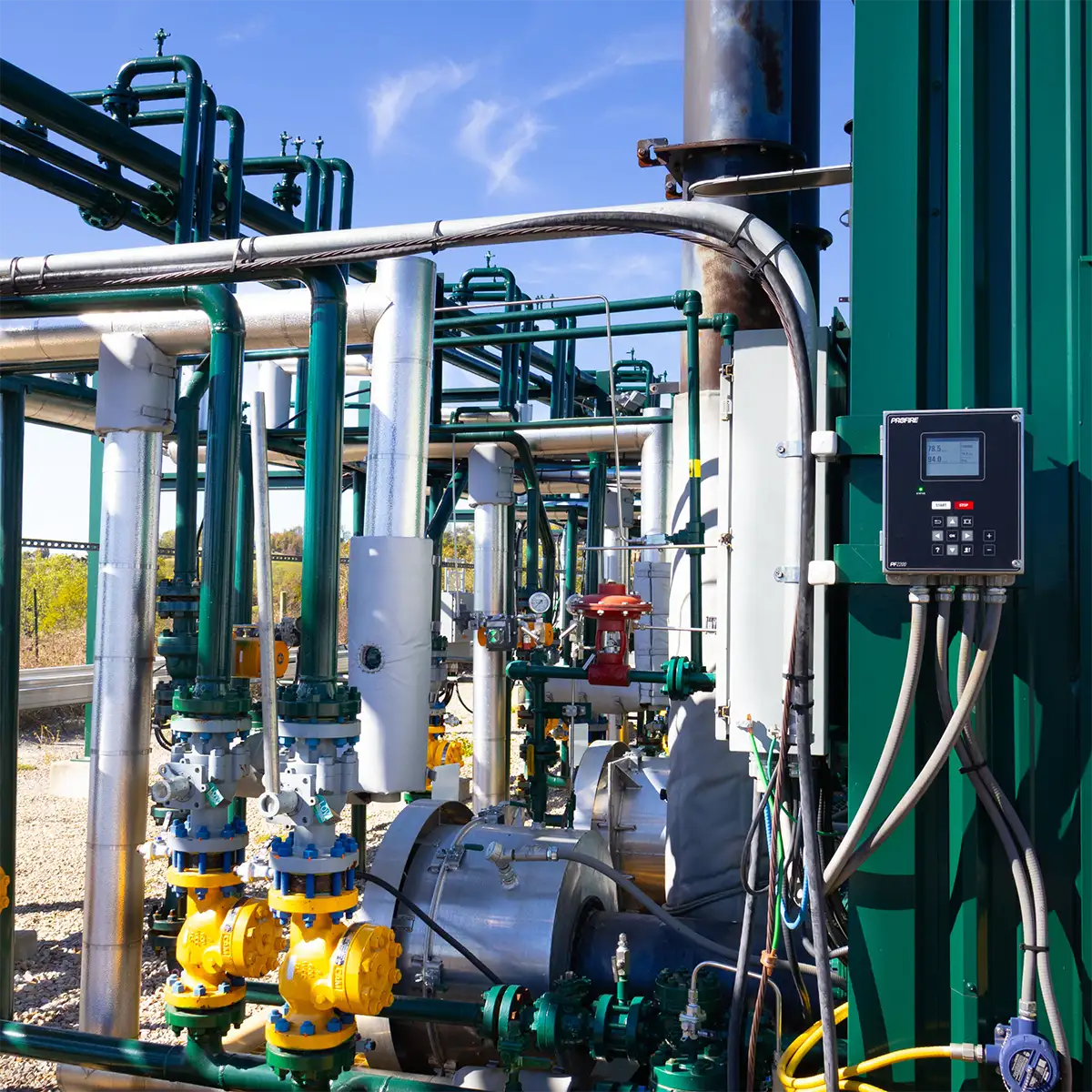
Applications in Biochar Production
From drying to off-gas combustion, reliable controls help keep biochar production moving safely and consistently.
Biomass Feedstock Dryers
Pyrolysis Kilns & Retorts
Syngas/Pyrogas Burners
Thermal Oxidizers & Afterburners
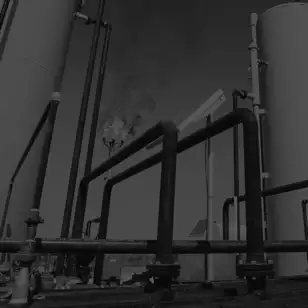
Hot Gas Generators & Process Heaters
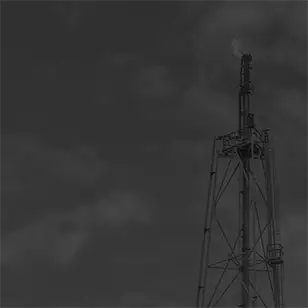
Flares & Emergency Combustors
Operational Advantages for Biochar Production Facilities
- Steadier Thermal Processing
- Reduced Unplanned Downtime
- Safer Startup and Shutdown
- Better Combustion System Visibility
Why Biochar Producers Choose Profire
- Decades of experience supporting heat-dependent petrochemical operations
- Hardware designed for harsh industrial conditions
- Proven performance in high-volume, high-precision processes
- Responsive field service and engineering support
- Scalable solutions for both retrofit and new-build facilities
What fired equipment is used in biochar production?
Biochar production facilities may use fired equipment such as biomass feedstock dryers, pyrolysis kilns or retorts, syngas or pyrogas burners, thermal oxidizers, afterburners, hot gas generators, process heaters, flares, and auxiliary fired systems. The exact equipment depends on the feedstock, reactor design, heat recovery strategy, emissions-control requirements, and overall plant configuration. Many biochar facilities rely on controlled heat, safe ignition, flame supervision, fuel delivery, and dependable shutdown logic across multiple process areas.
Why is burner management important in biochar production?
Burner management is important because biochar production often involves fired equipment, combustible fuels, variable process gases, and high-temperature thermal processing. A burner management system helps manage purge, ignition, flame detection, fuel shutoff, permissives, alarms, and shutdown sequences. For operations and engineering teams, a properly designed BMS supports safer startups, more reliable restarts, clearer troubleshooting, and better protection for critical fired equipment.
What combustion control challenges are common in biochar facilities?
Biochar facilities may deal with variable feedstock moisture, changing process heat demand, auxiliary fuel use, combustible syngas or pyrogas, dryer temperature control, thermal oxidizer performance, and strict startup and shutdown requirements. These challenges can affect burner stability, operator workload, nuisance trips, fuel-air control, and process reliability. Combustion control packages help manage these variables so fired equipment can operate more safely, consistently, and efficiently.
Do biochar dryers, thermal oxidizers, and syngas burners need burner management systems?
Many biochar dryers, thermal oxidizers, afterburners, syngas burners, process heaters, and auxiliary fired systems require burner management or combustion safety controls, depending on the equipment design, fuel source, jurisdiction, and applicable standards. These systems often need safe light-off sequencing, flame supervision, fuel train control, shutdown interlocks, alarm visibility, and integration with plant control systems.
When should a biochar facility upgrade or replace its burner management system?
A biochar facility should consider a BMS review when fired equipment experiences frequent nuisance shutdowns, unreliable flame detection, difficult startups, unsupported components, limited diagnostics, poor documentation, compliance concerns, or recurring burner-related maintenance issues. A retrofit or modernization project can improve operator visibility, support safer operation, and help align the system with current equipment needs and site requirements.
Tell us about your application
A Profire Specialist Will Contact You Shortly